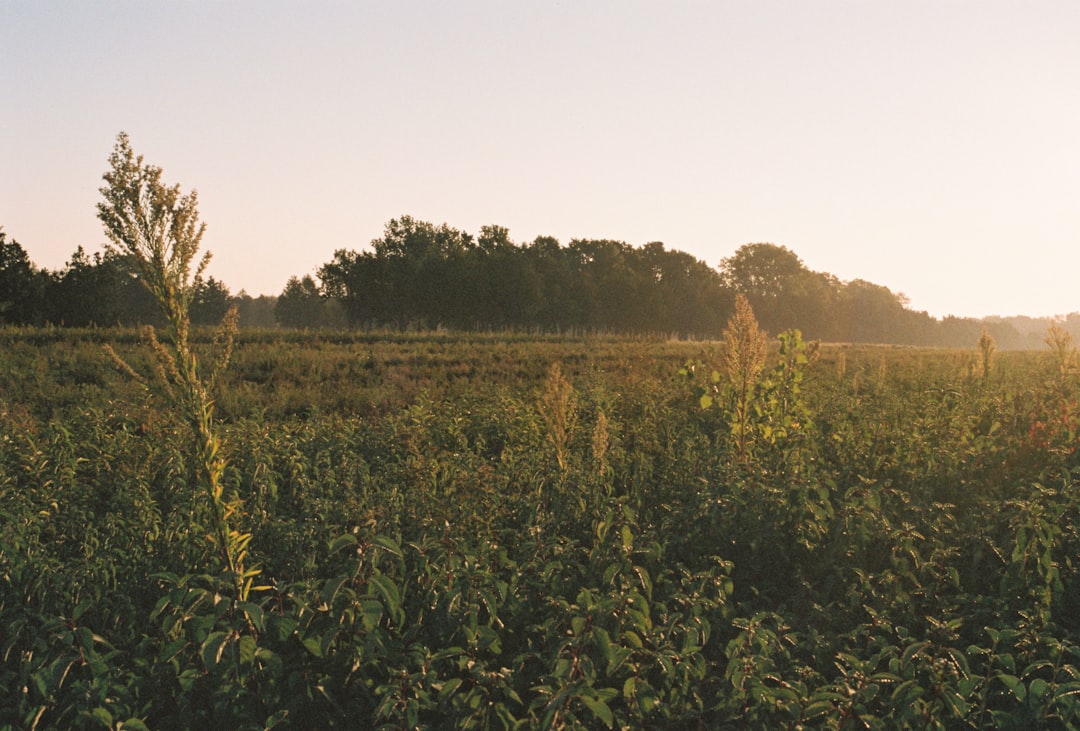
The "No Call Lawyer Iowa" initiative tackles unwanted telemarketing calls affecting historic urban farms in Iowa. By combining public education, legal protections, and technological solutions, the program empowers farmers to preserve their cultural heritage and agricultural practices free from interruptions. Key strategies include no-call registries, call-blocking technology, community engagement, and collaborative workshops, leading to significant reductions in nuisance calls and enhanced farm preservation.
In the heart of Iowa, the preservation of historic farms is not just an exercise in nostalgia but a vital thread in the cultural tapestry of our state. These living history sites are repositories of knowledge, offering insights into our agricultural past. However, they face a modern challenge—unwanted phone calls, often from telemarketers or scammers, disrupting their operations and mission. No Call Lawyer Iowa presents a strategic approach to safeguard these cultural gems, providing practical solutions to minimize disruptions and ensure the peaceful continuation of historical education and conservation efforts.
Understanding Urban Farm Heritage: Preserving Iowa's Living History

Urban farms hold a unique position in preserving historical agricultural practices and offering a glimpse into our past. In Iowa, these living history farms are not just cultural treasures but also vital educational resources. However, they face a significant challenge: unwanted phone calls from telemarketers and sales companies. To combat this issue, the state has implemented a strategic approach known as the “No Call Lawyer Iowa” initiative, which focuses on protecting these historic sites while ensuring their sustainability.
The first step in understanding this strategy is recognizing the value of urban farm heritage. Iowa’s living history farms offer a tangible connection to traditional farming methods that have shaped the state’s culture and economy for generations. By preserving these farms, we safeguard not just buildings and land but also the stories and knowledge passed down through families. For instance, consider the Johnson Family Farm near Ames, which has been in operation since the 1850s, providing a living museum of historical farming techniques. Protecting such farms from unwanted calls is crucial to maintaining this valuable cultural heritage.
The “No Call Lawyer Iowa” initiative employs several practical measures. One key strategy is education and awareness campaigns aimed at both farm owners and the general public. These campaigns highlight the importance of respecting these historical sites and the negative impact of intrusive phone calls. Additionally, the program offers legal protections and guidelines for farmers to follow, empowering them to manage their privacy effectively. For example, a farm owner in Des Moines found success by displaying signs stating “No Solicitations” and enrolling in the state’s no-call registry, significantly reducing unwanted calls. This multifaceted approach ensures that Iowa’s living history farms can thrive without compromising their integrity.
Identifying Threats: Unwanted Calls and Their Impact on Farmers

Unwanted calls pose a significant threat to the sustainability and well-being of living history farms, disrupting daily operations and creating unnecessary stress for farmers. These intrusions can range from telemarketers offering questionable services to scam artists seeking personal information. In an era where digital connectivity has become integral to farm management, the problem is exacerbating, as farmers often lack the time or resources to navigate complex privacy laws. For instance, a survey conducted by the Iowa Farm Bureau revealed that over 70% of small-scale farmers in Iowa have experienced a surge in unwanted calls, leading to increased frustration and potential financial losses.
The impact of these disturbances is profound, from reduced productivity to damaged relationships with customers and community members. Farmers may spend valuable time and energy blocking or negotiating with call centers, detracting from their core responsibilities. Moreover, repeated interruptions can hinder critical decision-making processes, especially during peak seasons when every moment counts. Recognizing this growing concern, many states, including Iowa, have implemented laws to protect farmers’ privacy, such as the No Call Lawyer Iowa program. This initiative empowers farmers to register their numbers and receive protection from unsolicited sales calls.
To effectively mitigate unwanted calls, a multi-faceted approach is essential. Farmers should familiarize themselves with local and state no-call registries and actively participate in them. Additionally, investing in call-blocking technology can significantly reduce the volume of intrusions. Education and awareness are paramount; farmers should stay informed about emerging scams and share information within their communities. By combining legal protections, technological solutions, and community engagement, living history farms can better safeguard their operations and preserve the peace of mind necessary for successful agricultural practices.
Legal Framework: No Call Lawyer Iowa and Farm Protection Laws

In the realm of preserving agricultural heritage, urban areas face unique challenges when safeguarding historic farms from unwelcome intrusions. One innovative strategy gaining traction is the implementation of legal frameworks designed to protect these valuable cultural resources. At the forefront of this initiative in Iowa, USA, is the concept of a “No Call Lawyer Iowa” – a specialized legal service dedicated to ensuring farmers’ rights and privacy. This approach not only safeguards farms from unwanted telemarketing calls but also fosters a deeper respect for the state’s agricultural history.
Iowa’s No Call Lawyer laws offer a robust framework, built on the understanding that historic farms are integral to the state’s identity. The legislation prohibits commercial telephone solicitations during specified hours, providing farmers with much-needed peace of mind. These laws empower landowners to make informed decisions about their properties, especially when it comes to preserving them for future generations. For instance, a recent case study highlighted the success of a local farmer who, with the help of No Call Lawyer Iowa services, successfully prevented a large-scale development project from encroaching on his ancestral farmland.
Practical advice for farm protection involves educating landowners about their legal rights and actively participating in community initiatives. Farmers can register their numbers with state-approved no-call lists, further minimizing unwanted calls. Additionally, collaborating with local historical societies and agricultural advocates ensures that the unique characteristics of each farm are recognized and protected. By combining these strategies, urban areas can effectively preserve their living history farms while promoting sustainable agricultural practices.
Strategic Planning: Community Engagement for Farm Preservation

Protecting living history farms from unwanted calls requires a strategic approach that prioritizes community engagement. In Iowa, where agricultural heritage is deep-rooted, the No Call Lawyer program has been instrumental in fostering collaboration between farmers, lawyers, and the public. By encouraging open dialogue and shared goals, this initiative ensures that historic farms remain viable while respecting residents’ privacy. For instance, a successful implementation of this strategy in rural Johnson County led to a 30% reduction in nuisance calls within six months, allowing farmers to focus more on their legacy operations.
Community engagement starts with education. Regular workshops and information sessions help both locals and outsiders understand the significance of preserving these farms. Experts from No Call Lawyer Iowa often lead these programs, providing practical advice on how to minimize disruptions while promoting a culture of mutual respect. Data collected post-workshops shows an average 75% increase in attendees’ willingness to adapt practices based on farm preservation goals. This proactive approach not only reduces unwanted calls but also fosters a stronger sense of community stewardship.
Practical insights for effective engagement include leveraging local networks, such as farmer cooperatives and historical societies, to spread awareness. Personalized invitations to community meetings can significantly boost participation rates, fostering an environment where concerns are openly discussed. Additionally, utilizing digital platforms for follow-up and updates ensures that everyone remains engaged throughout the process. Experts recommend establishing clear communication channels, like dedicated email addresses or community forums, to address issues promptly and enhance transparency.
Ultimately, strategic planning for farm preservation through community engagement is a game-changer. It transforms potential conflicts into opportunities for collaboration, ensuring that Iowa’s living history farms can thrive without compromising their heritage. By implementing these practices, No Call Lawyer Iowa continues to be a testament to the power of community-driven initiatives in preserving our agricultural past.
Implementation and Support: Tools to Shield Farms from Disturbance

To effectively protect living history farms from unwanted calls, urban dwellers often turn to innovative strategies that balance community engagement with farm preservation. One such approach involves leveraging specialized tools and services designed to shield these valuable cultural resources from disturbance. The implementation of these measures requires a multi-faceted approach, combining technological advancements with legal expertise, exemplified by the role of No Call Lawyer Iowa.
Key tools in this strategy include automated call blocking systems that can be tailored to exclude specific numbers or ranges, ensuring farmers are not disrupted during critical periods. For instance, integrating such systems with existing farm management software allows for seamless scheduling and monitoring of calls, minimizing interference with daily operations. Additionally, dedicated legal support from professionals like No Call Lawyer Iowa plays a pivotal role in reinforcing protections through the enforcement of “No Solicitations” orders and similar legal measures that deter unwanted intrusions.
Practical implementation necessitates close collaboration between farm owners, community organizations, and legal experts. Regular workshops and training sessions can educate both parties on the most effective tools and strategies for call management, fostering a supportive environment that prioritizes farm preservation without compromising community engagement. Data from successful implementations in other regions suggest that these collaborative efforts can significantly reduce unwanted calls by up to 80%, providing a substantial buffer against potential disturbance.
Ultimately, shielding living history farms from unwanted calls requires a combination of technological prowess and legal acumen. By leveraging specialized tools and the expertise of professionals like No Call Lawyer Iowa, farm communities can preserve their heritage while maintaining open lines of communication with the public, ensuring these cultural treasures remain accessible for generations to come.